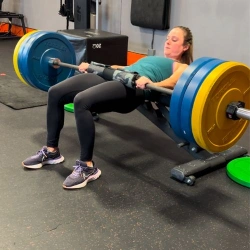

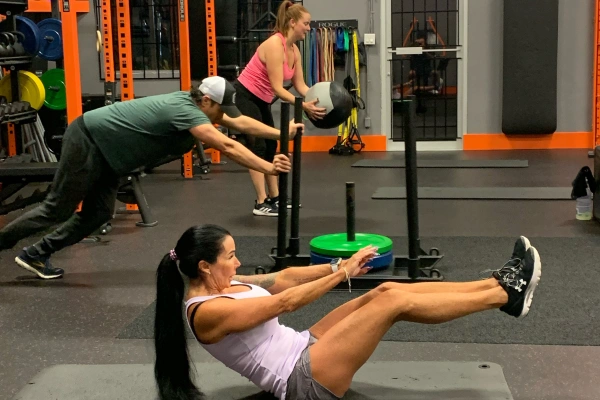
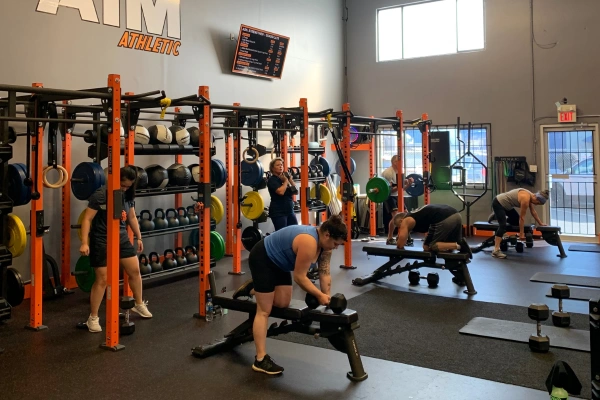
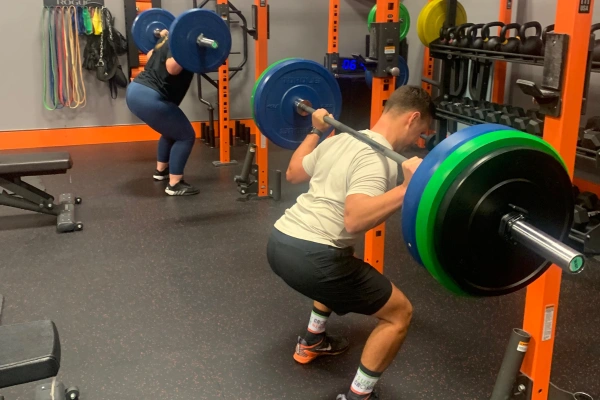
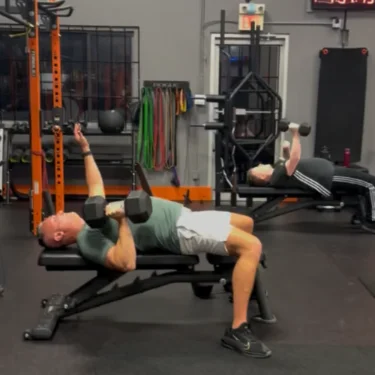
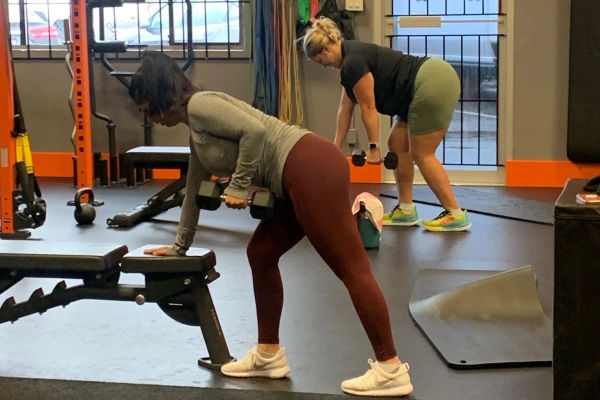
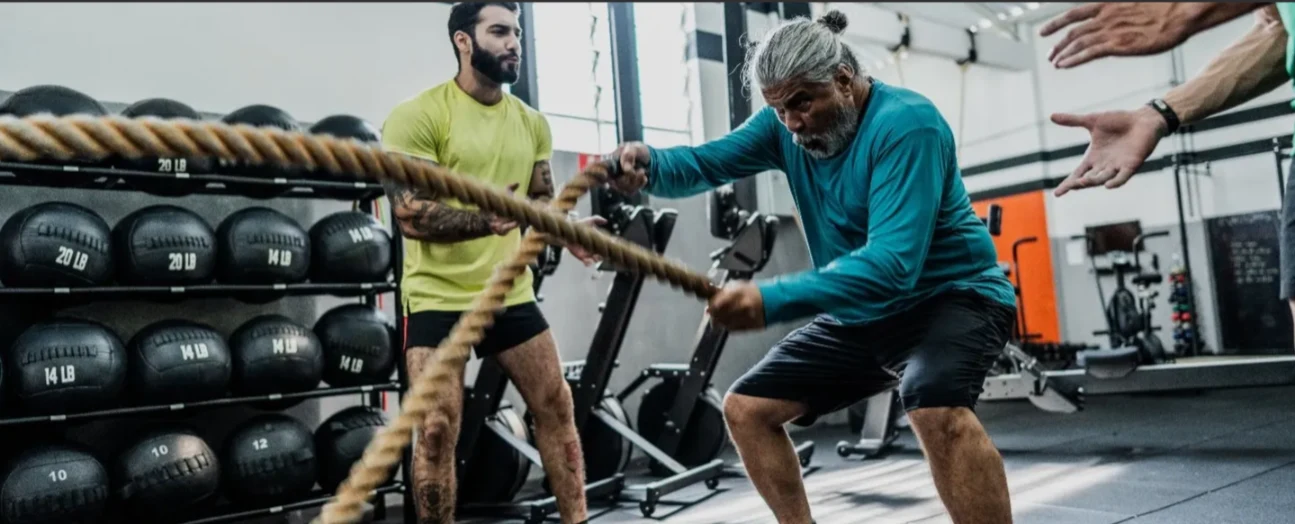
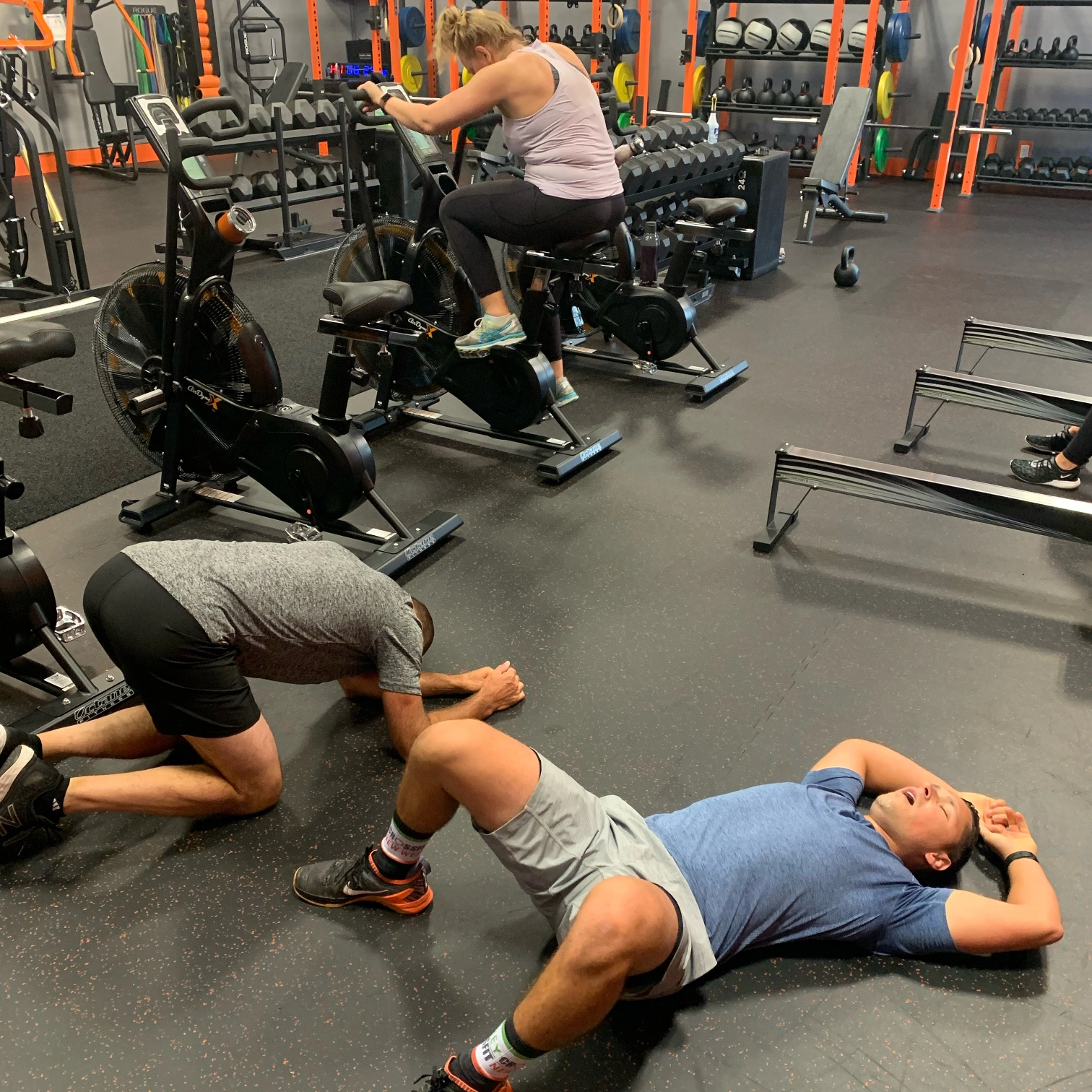
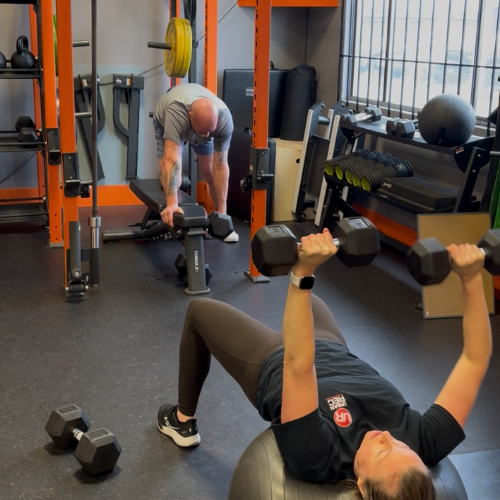
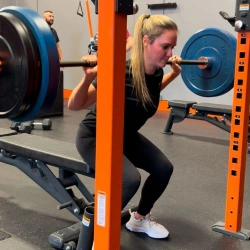
If you are new to AIM Athletic, you have probably noticed that some of our long term members are moving some pretty serious weight around the gym. Heavy squats, strong rows, massive barbell hip thrusts. It is easy to look at that and think you are a long way away from getting there. Maybe you are even a little jealous. But here is the funny thing. Many of our more experienced members might actually be a little jealous of you.
That is because when you are just starting out, you are in the perfect position to experience what the fitness world calls “newbie gains.” When you start training, the body adapts incredibly quickly. Strength, coordination, and overall gym performance can improve dramatically in a relatively short amount of time. It is not unusual for beginners to double the weight they are lifting on certain exercises within a few months of consistent training.
To understand why this happens, it helps to look at how strength is actually developed. At a basic level, there are two primary contributors to strength. The first is the one most people think about right away is muscle size. The technical term for this is increased cross sectional area of the muscle fiber. Simply put, larger muscle fibers can produce more force. When strength training stimulates hypertrophy, the contractile proteins inside the muscle fiber increase, allowing the muscle to generate greater tension and produce more strength.
But muscle size is only part of the story. The other major contributor to strength is the nervous system. Strength is not just about the muscles themselves, but about how effectively the brain and spinal cord can recruit and coordinate those muscles. In beginners, a large portion of early strength gains are neurological rather than structural.
Research shows that in the early stages of training, roughly 60 to 80 percent of strength improvements can be attributed to neurological adaptations alone, while muscle growth contributes a smaller portion. Over time that balance begins to shift, with hypertrophy playing a larger role in continued strength development.
These neurological improvements come from several key adaptations. One is improved motor unit recruitment. A motor unit is a nerve and all the muscle fibers it controls. As you train, your nervous system becomes better at activating these motor units simultaneously, particularly the larger, high force producing fibers that beginners often struggle to access.
Another factor is rate coding, which refers to how quickly the nervous system sends signals to a muscle. With training, those signals become more frequent and more synchronized, allowing the muscle to generate force more rapidly and more efficiently. In simple terms, your body gets better at using the muscle it already has.
Coordination also improves significantly. Early in training, the body often activates muscles that do not need to be working for a given task, creating unnecessary tension and wasting energy. As skill and strength develop, the nervous system learns to turn on the right muscles and relax the ones that are not needed. Movements become smoother, stronger, and more efficient.
This is why newer members often see strength improvements so quickly. You are not just building muscle, you are teaching your nervous system how to lift. The body is learning how to produce and control force more effectively, and those changes can happen surprisingly fast.
Unfortunately, this phase does not last forever. As someone who has been working out for a long time, I can tell you that the process slows down quite a bit. In fact you might spend months working on a particular lift just to increase the weight by a few pounds. At that point, the nervous system is already highly efficient and the only way forward is gradual improvements in muscle size, force production, and technique.
That is why those early months of training are so exciting. Progress comes quickly, workouts feel rewarding, and improvements show up week to week. It is one of the reasons we focus so much on building a strong foundation with our new members.
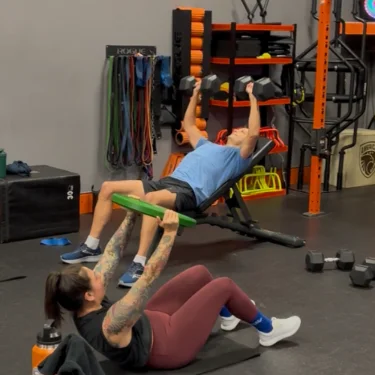
At AIM Athletic, our small group personal training sessions are designed to take advantage of this window of rapid adaptation with our small class sizes and greater ability to personalize workouts. Beginners get exposure to a wide range of movement patterns and strength exercises while coaches help reinforce good technique and progression. In one on one personal training, we can further refine those patterns even further and tailor the program to individual goals.
In active rehab, these neurological adaptations are particularly important. When someone is coming back from an injury, rebuilding strength often begins with retraining the nervous system to properly recruit and coordinate muscles around a joint. Those early improvements in control and activation can make a huge difference in restoring pain free movement.
For our youth strength training athletes, this stage is even more valuable. Young athletes respond extremely well to strength training because their nervous systems are highly adaptable. Teaching proper movement skills and strength patterns early can set them up for years of improved performance and injury resilience, without adding a bunch of load to their system.
So if you are new to training and things seem to be improving quickly, enjoy it. Those early strength gains are one of the most rewarding parts of the training journey. And if you see some of our veteran members grinding away for a small improvement after months of work, just know that they probably remember those early gains very fondly… and might even be a little jealous.
You've got the info now it's time to take AIM,


.webp)











.webp)





.png)




.webp)