
From time to time I like to revisit tips I've made in the past for new members, as well as to update the information on new things I've learned. When it comes to making workouts harder, we usually talk in terms terms of numbers. We add weight to the bar, try to squeeze out more reps, or push a set a little longer. Those things absolutely matter, but they are not the only ways we can make an exercise harder or easier. If load and reps were the only options, training would get boring fast and progress would stall any time strength or recovery lagged behind. Understanding other ways to adjust difficulty lets us keep moving forward, even on days where the weight does not change, and it is a big reason our programs at AIM Athletic stay varied and effective.
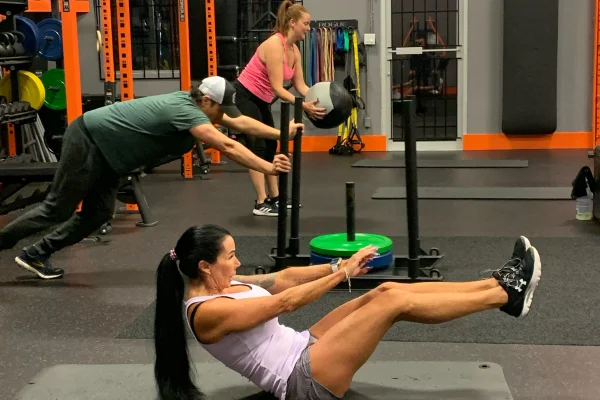
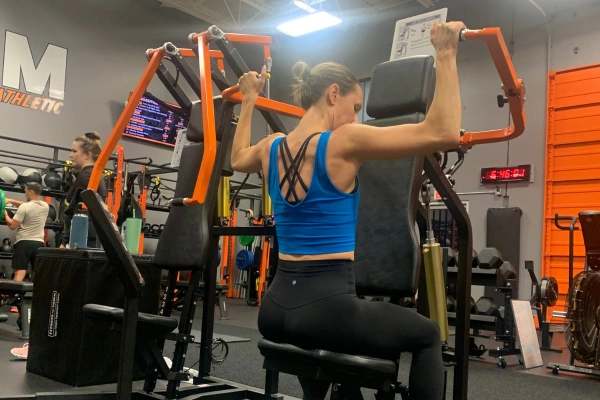
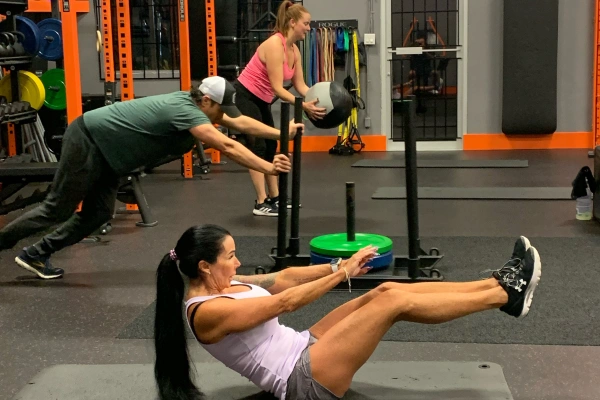
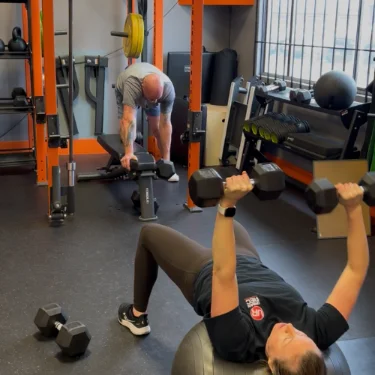
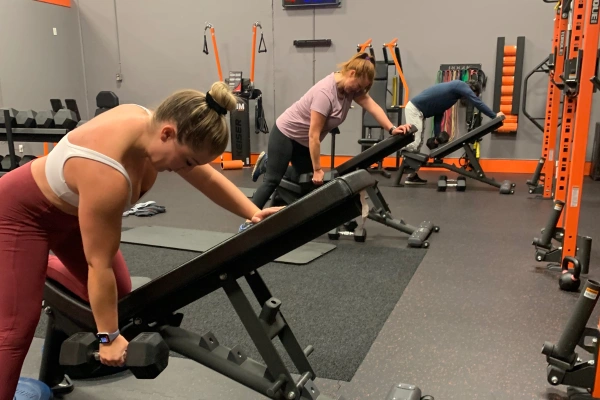
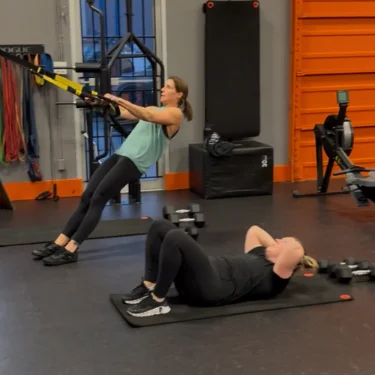
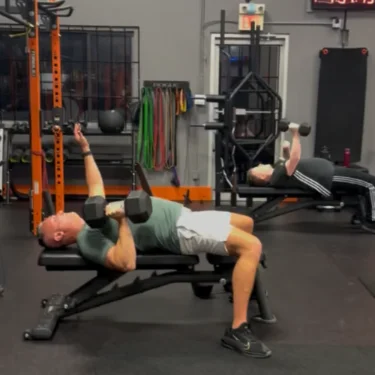
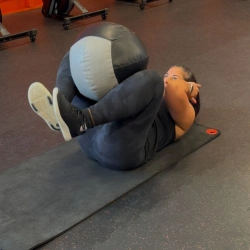
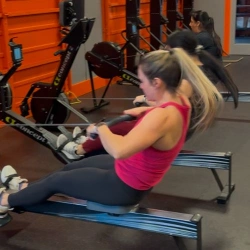
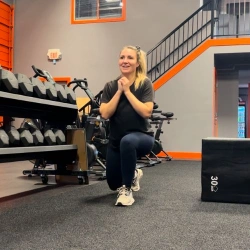
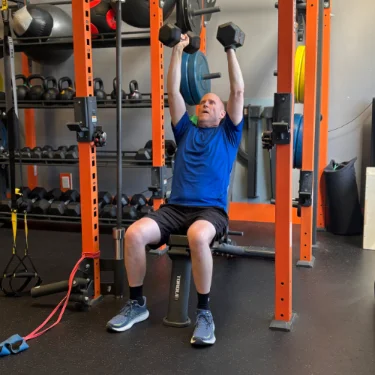
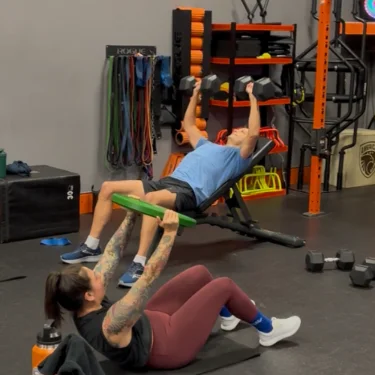
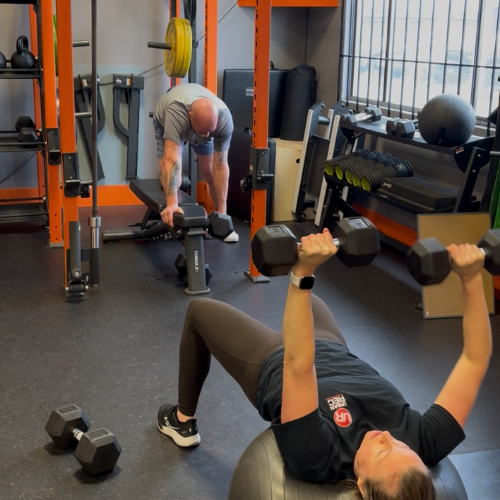
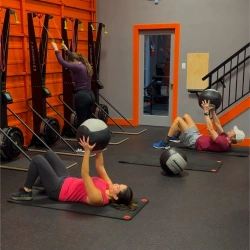
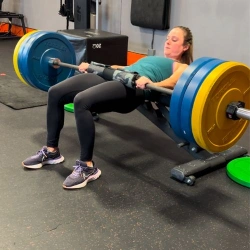
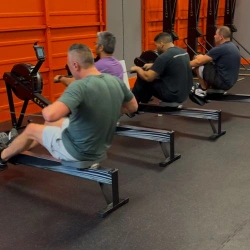
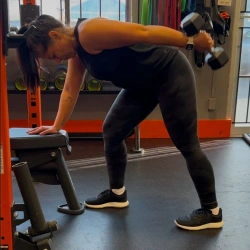
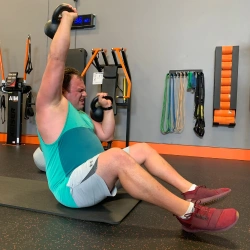
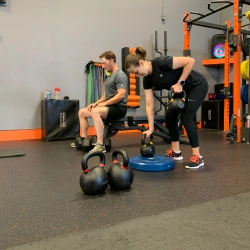
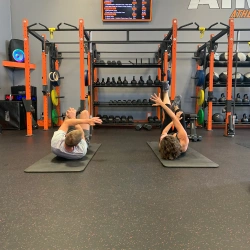
One of the easiest ways to change the difficulty of an exercise is by changing how close you are to the floor. In general, the more contact you have with the ground, the more stable you are. Lying down on the floor or bench is usually the easiest position because your body is fully supported and your nervous system does not have to worry much about balance. Sitting takes some of that support away and asks more from the trunk. Half kneeling ramps things up again by narrowing your base of support and creating an uneven load through the hips and core. Standing is often the most demanding because gravity is acting on your entire body and everything has to work together to keep you upright. The weight in your hands might be exactly the same, but the muscular and coordination demands are very different. This is something we use a lot in personal training and active rehab, where we can progress an exercise by simply changing position instead of jumping straight to heavier loads. It also works extremely well in youth training, where learning control and awareness comes before chasing numbers.
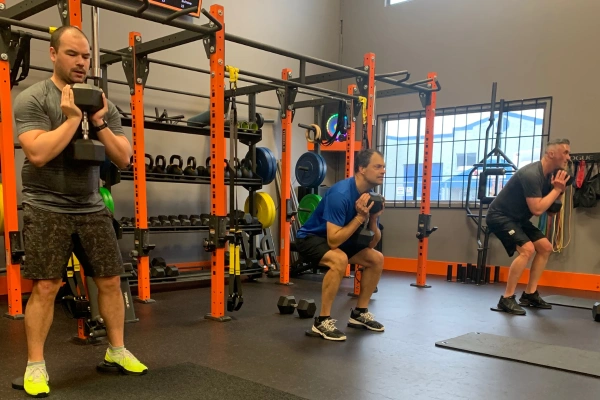
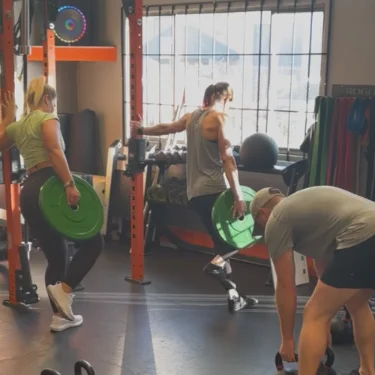
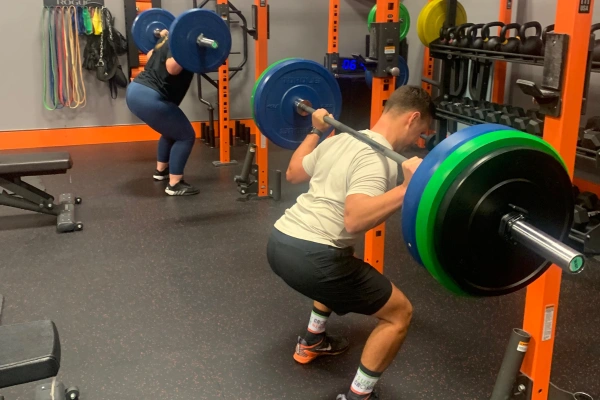
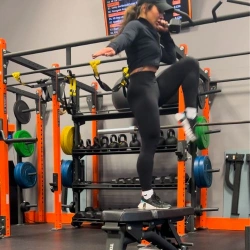
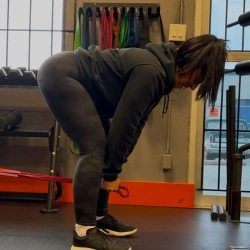
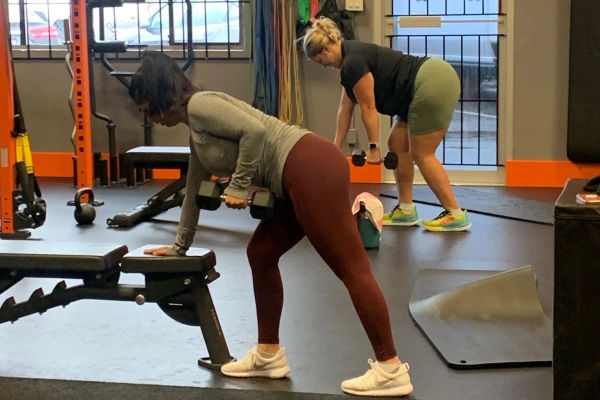
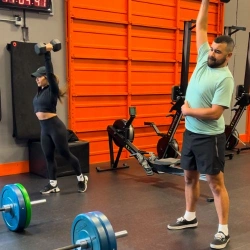
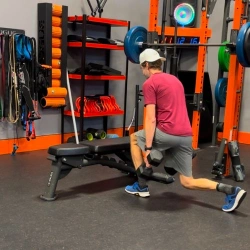
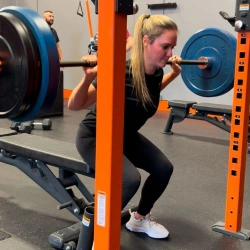
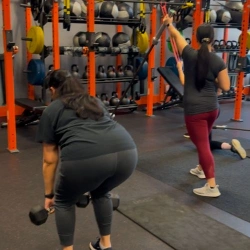
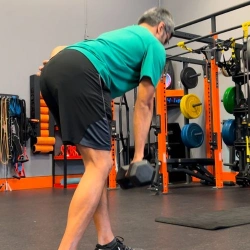
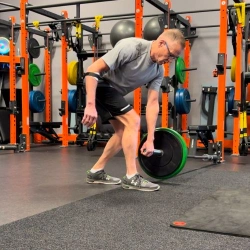
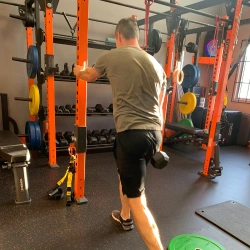
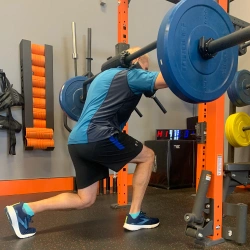
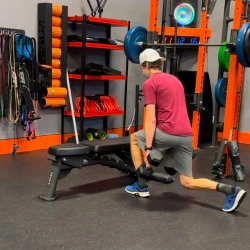
Stance is another lever we use all the time. Most people feel strongest with both feet on the ground, parallel, and under the hips. That bilateral stance is stable and predictable. When we move to a split stance, the body has to manage forward and backward forces and the hips and core take on more responsibility. A lateral or staggered stance challenges side to side control and stability. Single leg work takes this to the next level by dramatically reducing your base of support and forcing the stabilizing muscles around the ankle, knee, hip, and trunk to work overtime. Even though the load might be lighter, the exercise often feels harder because more muscles are involved and they are working longer to keep you balanced. This is why stance changes show up so often in our small group training and hockey training programs, where building strength that transfers to real movement is just as important as lifting heavy.
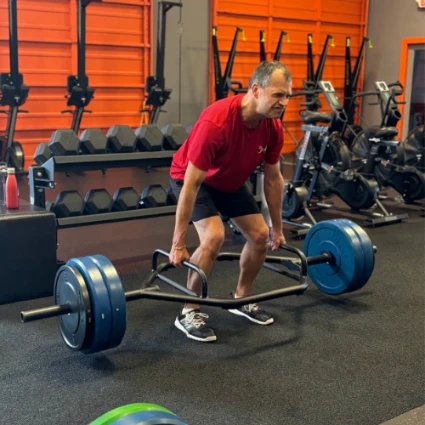
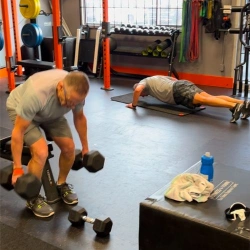
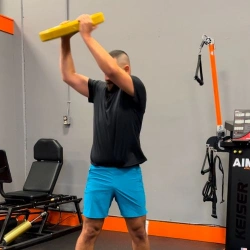
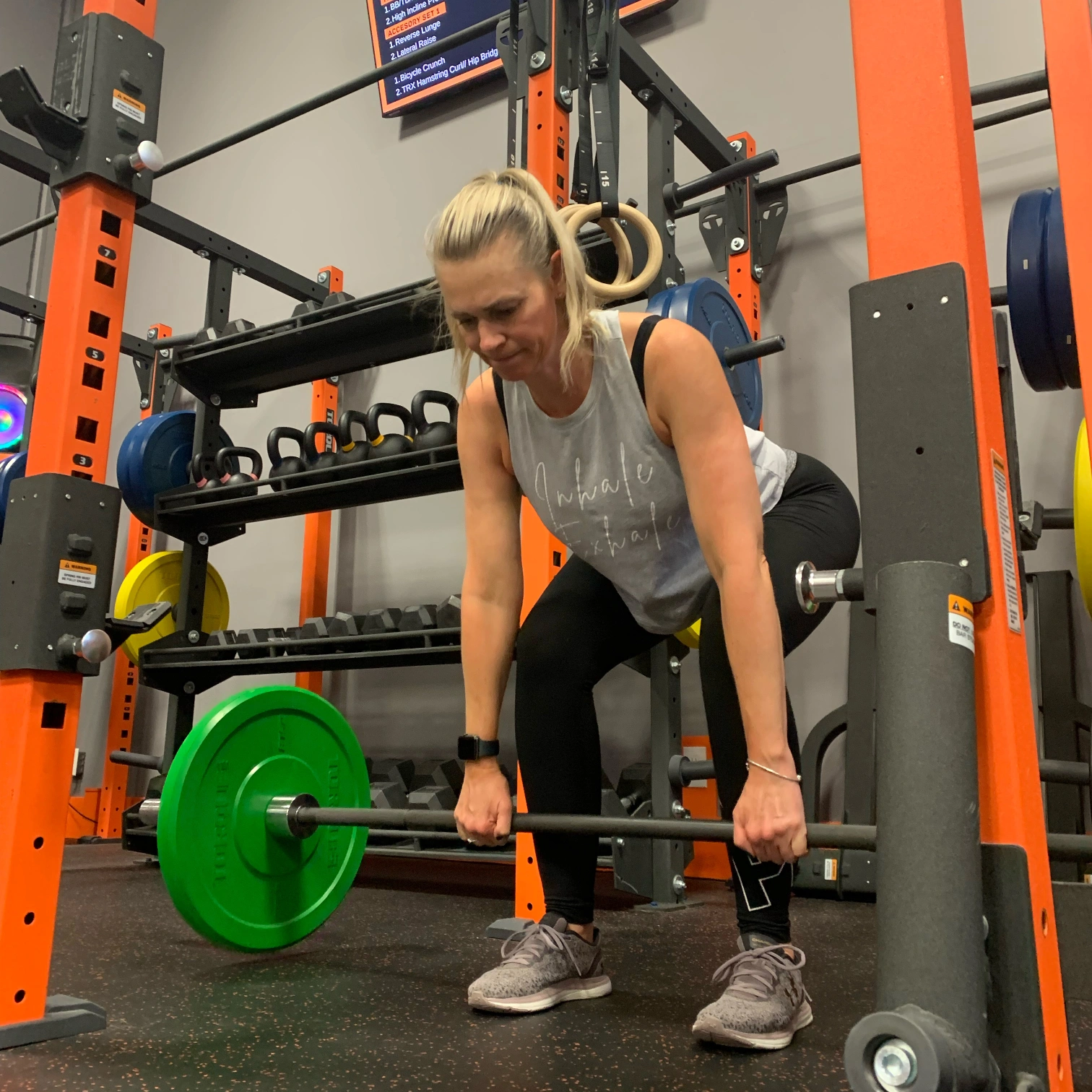
The last piece is lever length, which comes down to some simple biomechanics. Your body is made up of levers, and the longer the lever, the harder the muscle has to work. A lateral dumbbell raise is an easy way to picture this. When the dumbbell is close to your body, the shoulder does not have to produce as much force. As your arm moves further away from your side, the lever gets longer and the exercise immediately feels tougher. The weight did not change, but the demand did. The same idea applies when we extend the arms further in a plank, hold a load farther from the body in a carry, or change how an implement is positioned in a lift. Small changes in lever length can create big changes in difficulty, which is especially useful in personal training and rehab when we want to be precise.
At the end of the day, muscles do not just respond to heavier weights. They respond to tension, control, and coordination. By adjusting position, stance, and lever length, we can keep exercises challenging and progressive even when the numbers stay the same. This approach helps us meet members where they are, whether that is in small group personal training, one on one coaching, active rehab, hockey or youth training. Progress does not always mean adding more weight. Sometimes it simply means doing the same movement in a slightly more demanding way and letting your body adapt over time.
You've got the info now it's time to take AIM,

.webp)



.webp)

.png)




.webp)