
You've probably heard the saying before "your body keeps the score", when it comes to your muscle, tendon and bone tissues, the story they tell is one of how we train. Muscles, tendons, and bones are not static structures. They are constantly remodeling based on the stresses we place on them. A recent study looking at Achilles tendon thickness in amateur versus experienced marathon runners is a great example of how this plays out in the real world and why smart training matters so much.
In this study, researchers compared the Achilles tendons of runners with long training histories to those who were newer to endurance running. What they found was not as simple as running being good or bad for the tendon. Runners with many years of gradual, consistent training were found to have thicker and stronger Achilles tendons. This increased thickness reflects what's known as a positive adaptation. The tendon had remodeled itself to better tolerate repetitive loading while running. In contrast, runners who were relatively new to running showed signs of degenerative tendon changes after training and completing a marathon. In other words, the same stress produced very different outcomes depending on training age and how prepared the tissue was.
From a physiological standpoint, this makes complete sense. Tendons adapt more slowly than muscles because they have a lower blood supply and slower collagen turnover. When load is introduced gradually, collagen fibers align, cross linking improves, and the tendon becomes stiffer and more resilient. When load is added too aggressively or in volumes the tissue is not prepared for, micro damage accumulates faster than the tendon can repair itself. Over time this shows up as degeneration, pain, or injury. The tissue is not weak because it is bad tissue. It is weak because it was asked to do more than it was ready for.
A helpful way to think about this is sun tanning. Too much sun too quickly leads to a burn. Just the right amount of sun over time leads to a tan. Some people even build a base tan before a vacation so their skin can handle more sun before a vacation. Training works the same way. A gradual build up prepares tissues for higher demands. Jumping straight into high volumes or intensities overwhelms the system. The problem is not the sun or the running. It is the dose.
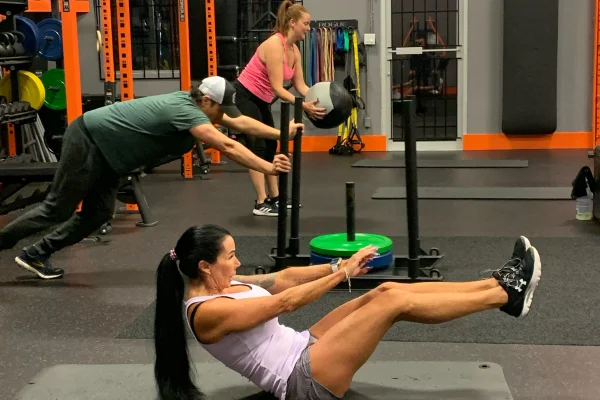
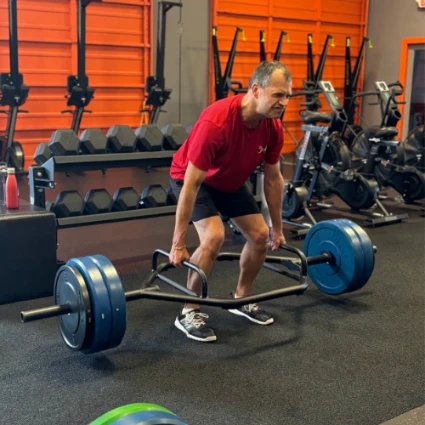
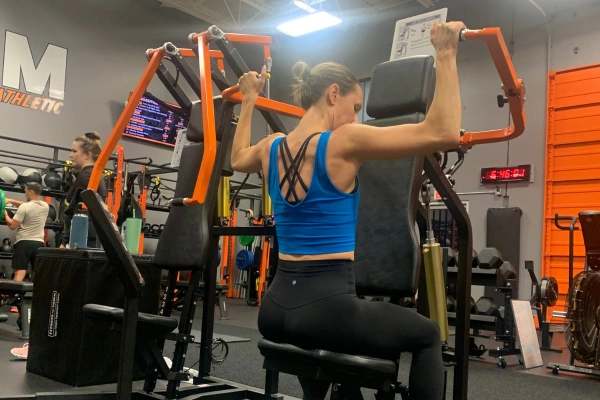
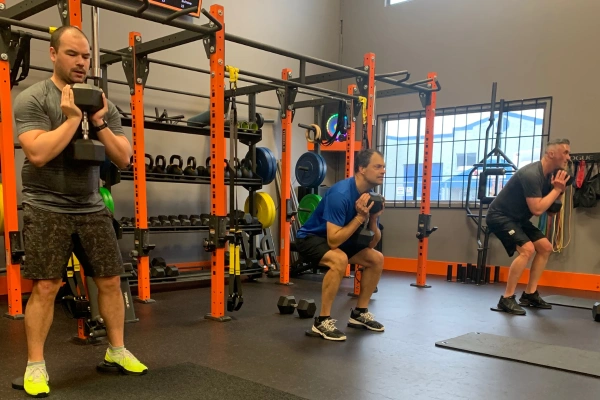
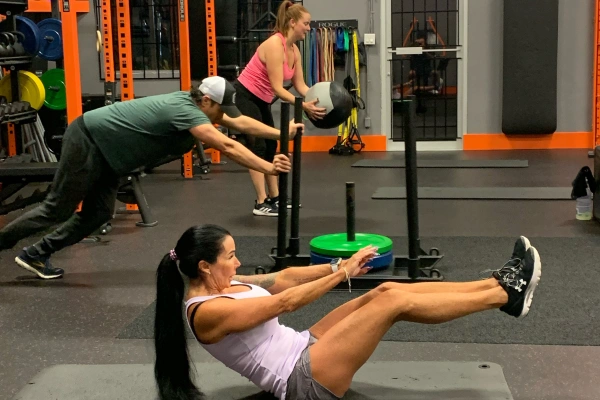
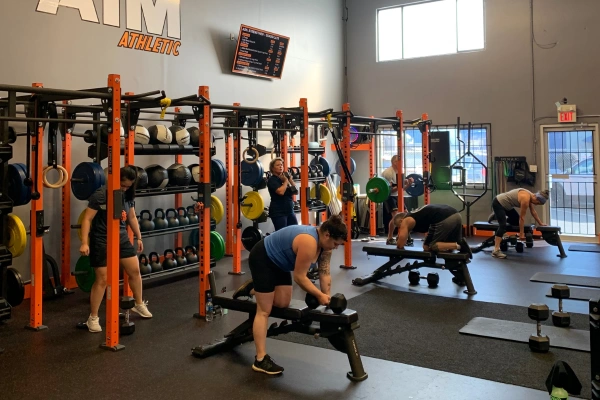
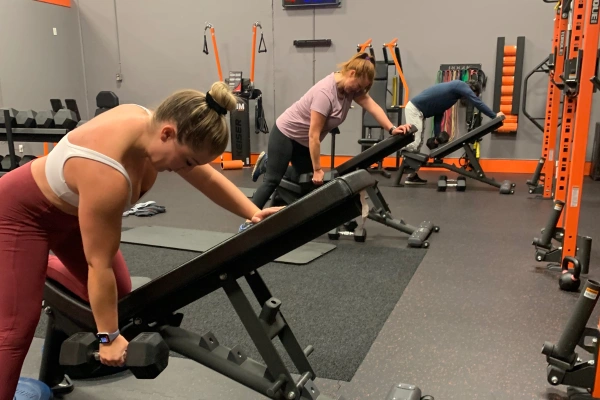
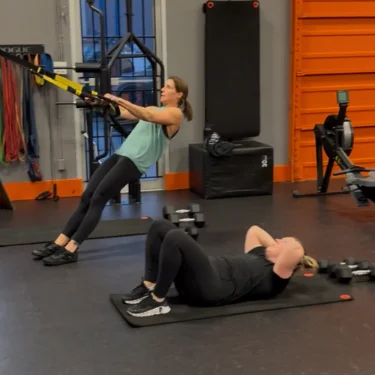
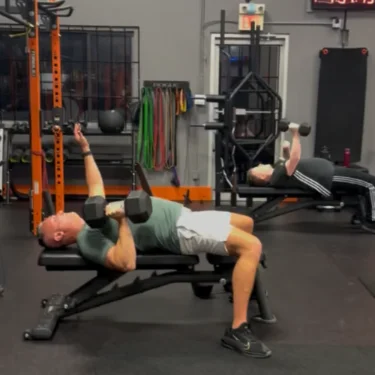
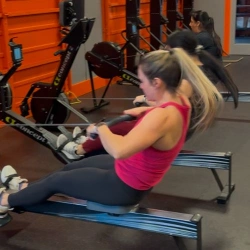
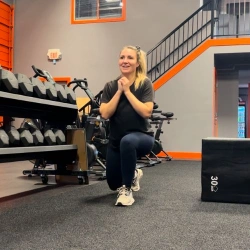
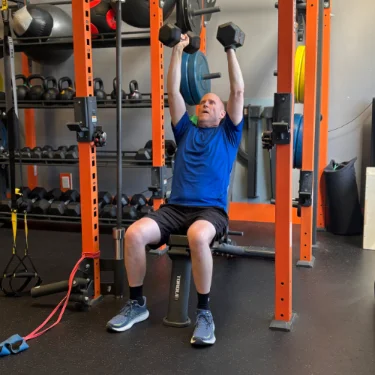
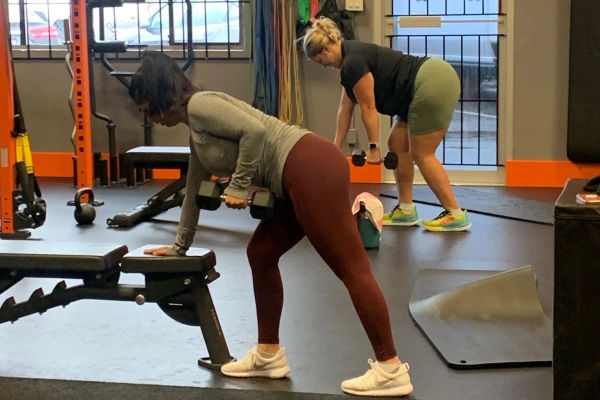
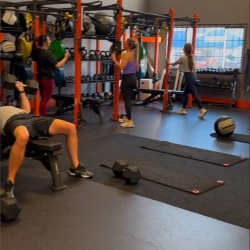
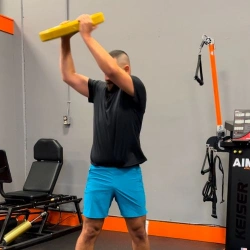
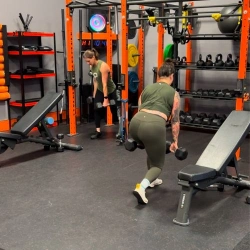
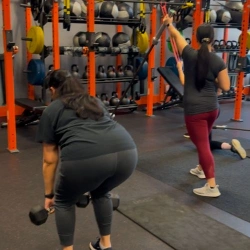
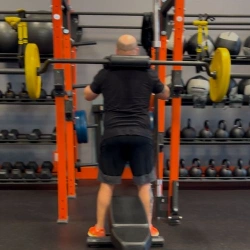
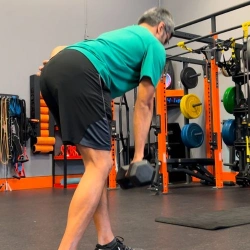
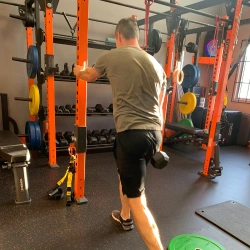
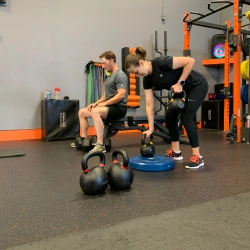
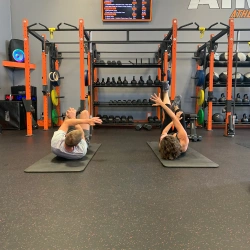
We see this principle every day at AIM Athletic across small group personal training, personal training, active rehab, and youth training. Bone density is a great example. Bones respond to load through a process called mechanotransduction, big word for strength training makes bones stronger. When we apply appropriate stress through strength training or impact based movement, bones increase mineral density and become stronger. When stress is absent or introduced too aggressively, bones either lose density or become vulnerable to stress injuries. The same idea applies when we are rebuilding tissue after injury. In active rehab, we intentionally expose muscles and tendons to carefully selected loads so they can remodel and regain capacity without being overwhelmed.
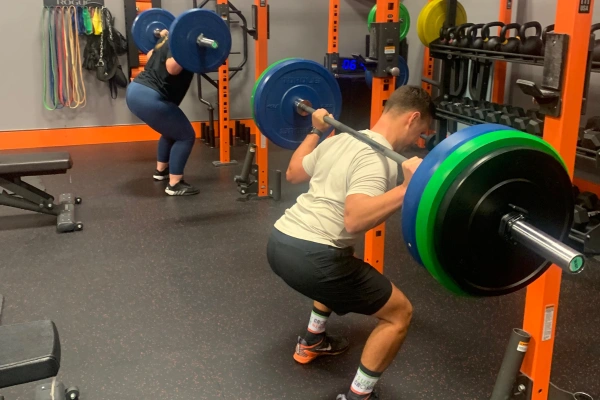
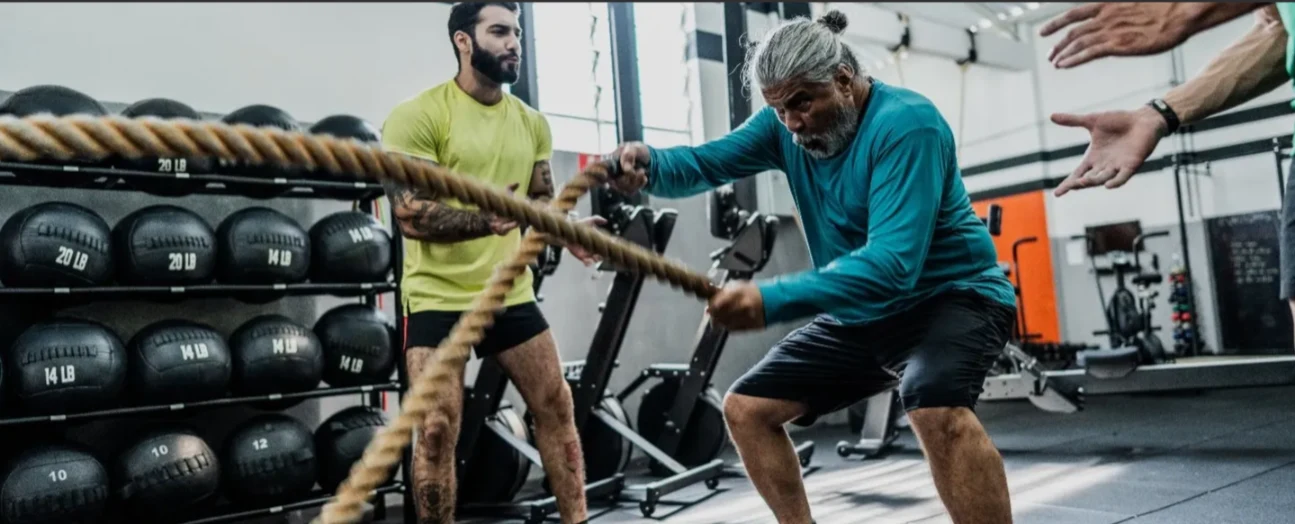
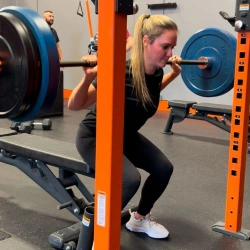
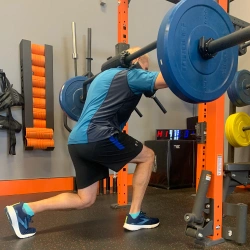
Building muscle follows the same rules. Progressive overload works because muscle fibers adapt to increasing tension over time. If someone does too much too soon, recovery breaks down and progress stalls or reverses. This is why our programming emphasizes intelligent progressions rather than random intensity. In youth training, this becomes even more important. Young athletes are developing coordination, strength, and tissue tolerance all at once. Laying a solid foundation now is like building that base tan. It sets them up to tolerate higher training loads later in sport without unnecessary breakdown.
The takeaway from the Achilles tendon research is simple but powerful. Tissues adapt to the stresses placed upon them when those stresses are applied progressively and with intent. Running, lifting, jumping, and training are not inherently harmful. Problems arise when exposure outpaces preparation. Whether the goal is returning from injury, building muscle, improving bone health, or preparing for an event, the path to resilience is gradual exposure over time. That principle is at the core of how we train at AIM Athletic and why long term progress always beats short term intensity.
You've got the info now it's time to take AIM,


.webp)






.webp)


.png)




.webp)