

Body Mass Index, or BMI, is one of the most common tools used to classify health status, your doctor might even have told you yours during you last check up. It is calculated by dividing body weight by height squared. In practical terms, a 175 lb man who is 5 foot 10 inches tall has a BMI of roughly 25. Using standard BMI categories, that number places him right on the border between the “normal” and “overweight” classifications. The popularity of the BMI as a health assessment is that it is quick, inexpensive, and easy to calculate, which is why it has become so widely used in medical and public health settings.
Doctors primarily use BMI because it works reasonably well when applied to large populations of people. When you look at thousands or millions of people at once, trends begin to emerge. Higher average BMIs tend to be associated with higher rates of cardiovascular disease, diabetes, joint issues, and a range of other health concerns. From a population level standpoint, BMI gives physicians and researchers a simple screening tool that helps identify risk and allocate resources where needed. It was never designed to be a precise diagnostic tool for individuals, but rather a broad way to flag potential concerns across groups of people.
The problem starts when BMI is treated as a definitive measure of individual health. Most importantly, BMI does not differentiate between muscle mass and fat mass. Someone who carries a significant amount of muscle can easily fall into an “overweight” or even “obese” BMI category despite having low body fat, strong metabolic health, and excellent physical capacity. For reference if you know me, I am considered to be overweight by BMI standards. This is something we see often with athletes and strength trained individuals. In those cases, BMI can be misleading and sometimes unnecessarily alarming if it is taken at face value without additional context.
When we look at this kind of generalized data, it can also be misleading when applied without nuance. While this is a relatively morbid example, think about it this way, there is a low statistical risk of getting hit by a car when you walk across the street. But if the first time you step off the curb you do get hit, those statistics do not really matter to you anymore. BMI works in a similar way. It can describe risk on average, but it does not guarantee outcomes for any one person. Individual health is shaped by far more than a single number, including activity level, strength, cardiovascular fitness, nutrition, stress, sleep, and genetics.
That being said, the reality is that extremes on either end of the spectrum tend to come with consequences. Systems that grow too large often do not last as long, and this pattern shows up throughout biology. Think of the life expectancy of bigger vs smaller dogs. In human terms, carrying excessive body fat is strongly associated with health complications, which is why elevated BMI due to excess weight often aligns with poorer health. On the other end, carrying massive amounts of muscle mass also places higher demands on the body. The heart has to work harder to pump oxygenated blood through a larger system, joints absorb more cumulative stress, and recovery demands increase. Size, whether from fat or muscle, still places a load on the system.
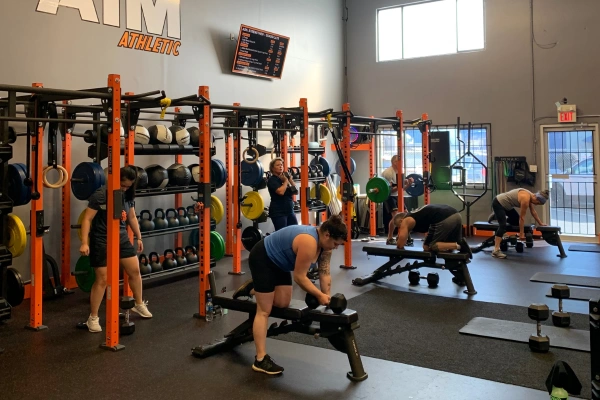
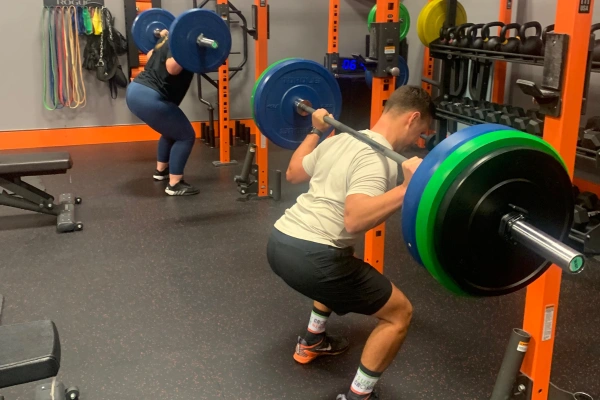
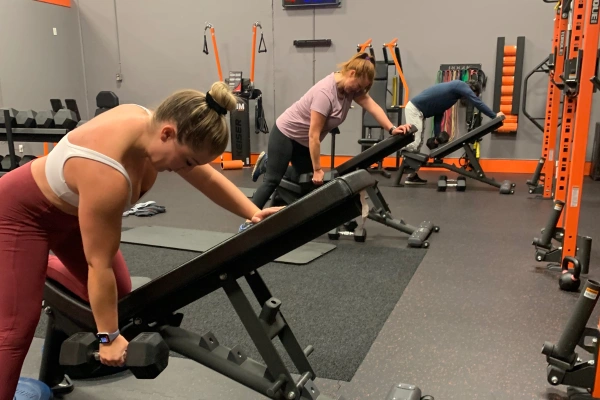
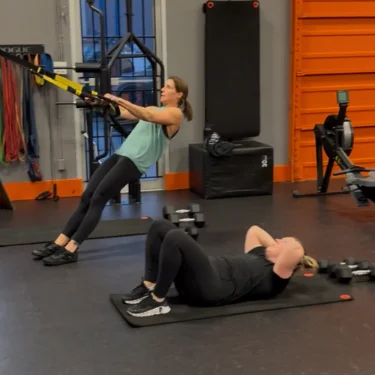
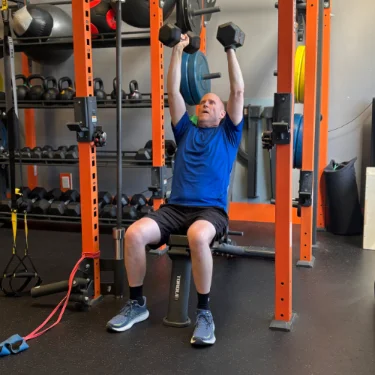
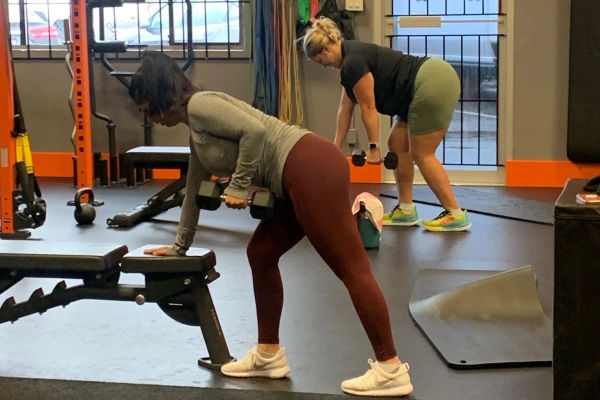
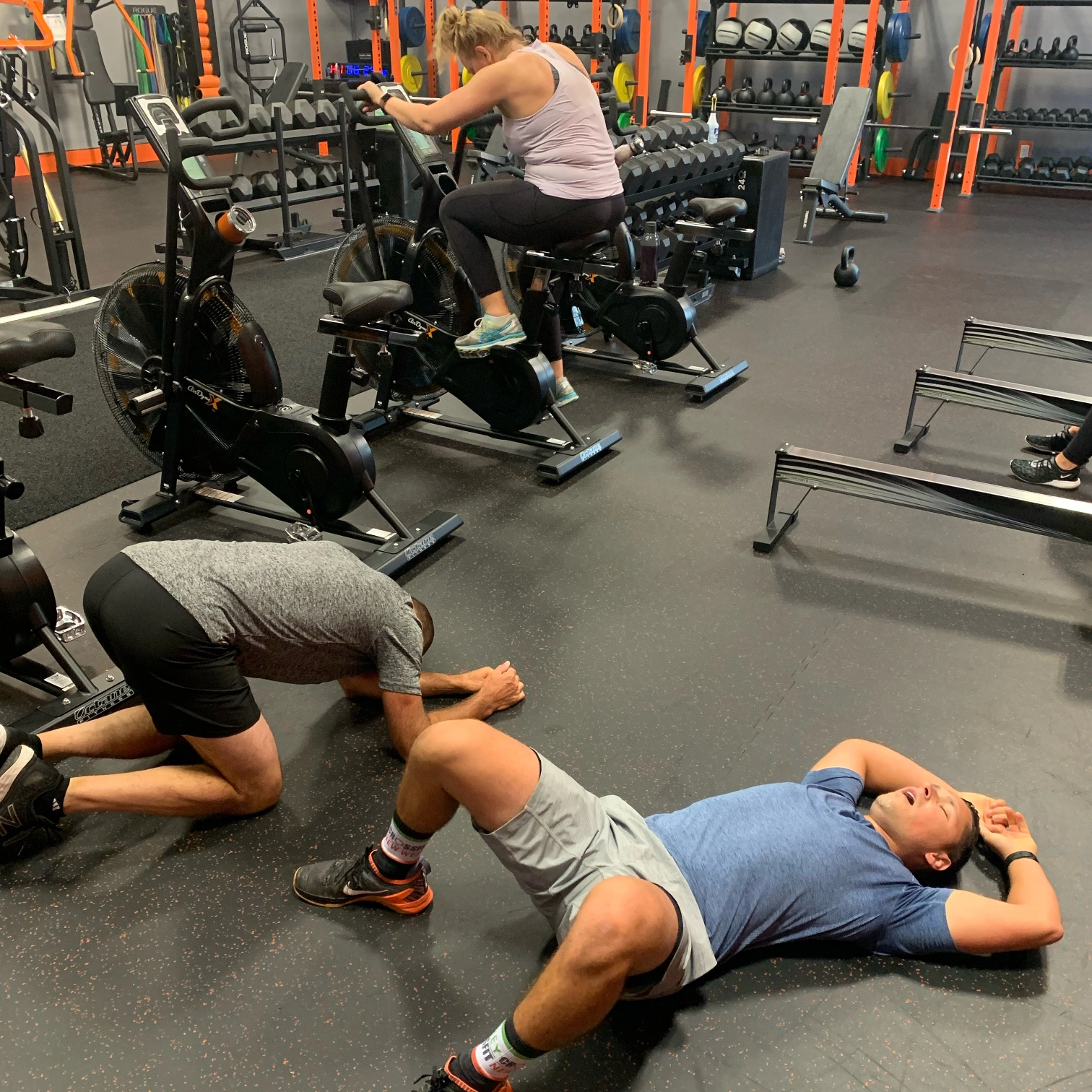
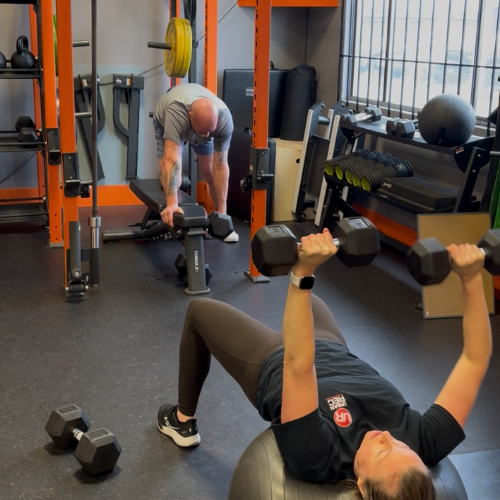
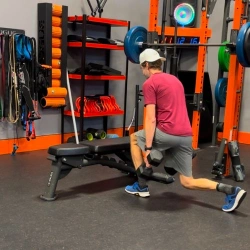
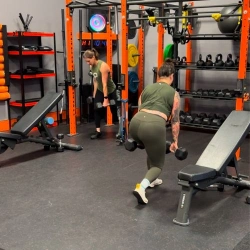
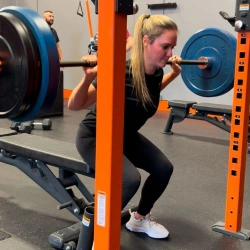
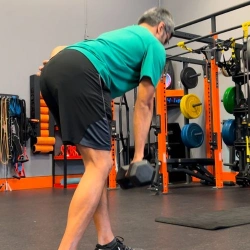
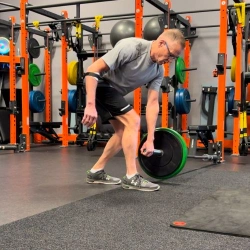
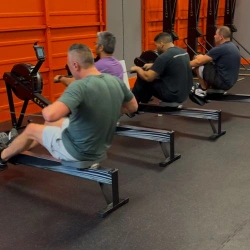
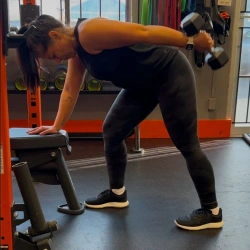
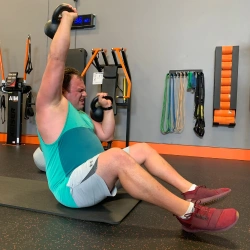
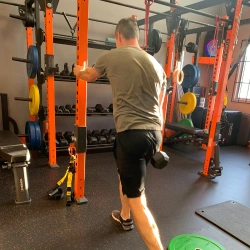
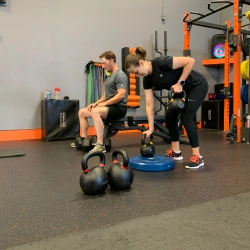
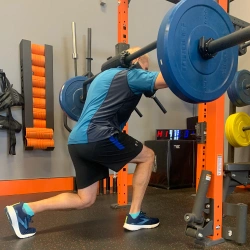
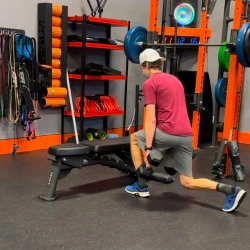
At AIM Athletic, this is why we rarely rely on BMI alone when working with our members, even though we have a machine here that measures BMI. In small group personal training and one on one personal training, we care far more about how you move, how strong you are, how well you recover, and how your body tolerates training and daily life. In active rehab, progress is measured by improved function, reduced pain, and increased capacity, not a single ratio of height to weight. With youth training, the focus is on long term athletic development, healthy movement patterns, and building strength and confidence during growth, not chasing arbitrary numbers that fail to reflect what is actually happening inside the body.
BMI can be a useful starting point, especially at a population level, but it should never be the end of the conversation. Real health lives in context. Strength, movement quality, work capacity, and sustainability over time tell a much clearer story than any single metric ever could.
You've got the info now it's time to take AIM,



.webp)















.webp)






.png)






.webp)