
A few weeks ago, we talked about why we alternate between higher-load and lower-load training weeks at AIM in our small group training. The short version was that different loading schemes can help stimulate muscle growth in different ways while also helping manage fatigue and recovery. Since then, I came across a study that looked at something we didn't really discuss in that article, tendons.
Most people understand that muscles adapt to training. Lift weights consistently and your muscles get bigger and stronger. Tendons and ligaments, however, often get overlooked. That's a little ironic considering that a sore tendon is usually what reminds people they have them in the first place.
Researchers recently compared high-load resistance training (heavy weights) with low-load resistance training (lighter weights) to see how each affected both muscle growth and tendon adaptation. While the two groups developed muscle differently, they experienced surprisingly similar changes in tendon morphology.
In other words, the tendons appeared to benefit regardless of whether participants were lifting heavy or light loads, provided the training was challenging enough. This is important because tendons don't get nearly the same attention as muscles. Everyone wants bigger arms, stronger legs, or a more impressive deadlift. Nobody walks into the gym and says, "Jake, I'd really like to improve my tendon morphology today."
With that being said, tendons do matter. They're responsible for transferring force from muscle to bone and helping you produce movement efficiently. Strong muscles attached to unhappy tendons are a little like putting a Ferrari engine into a car with bicycle tires. Eventually something is going to complain.
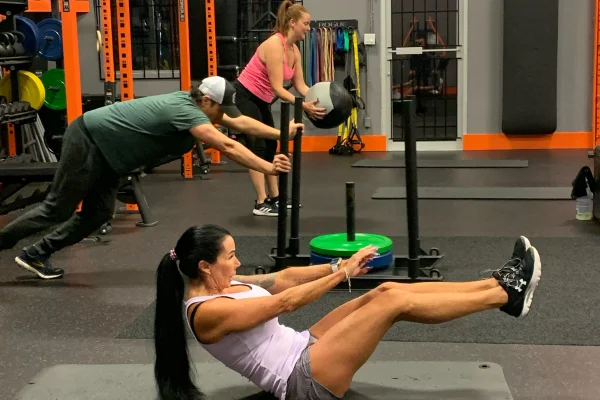
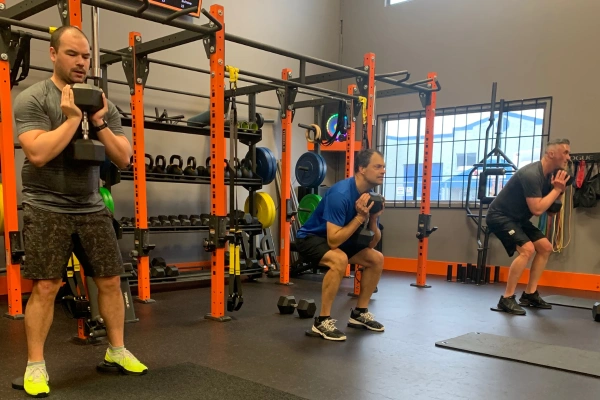
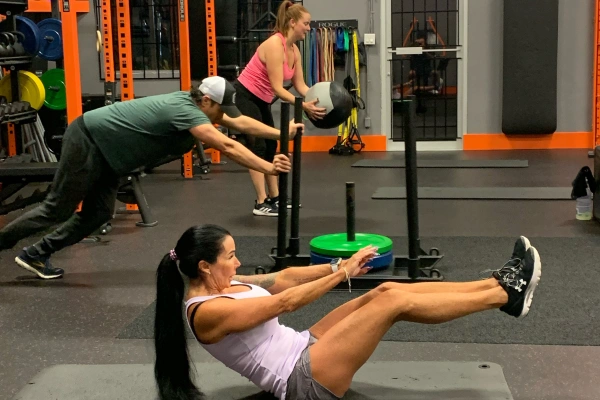
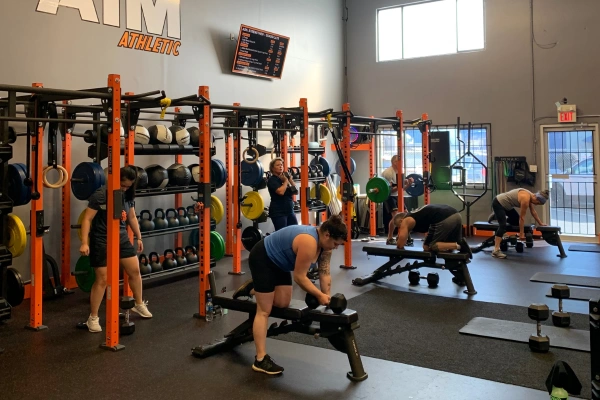
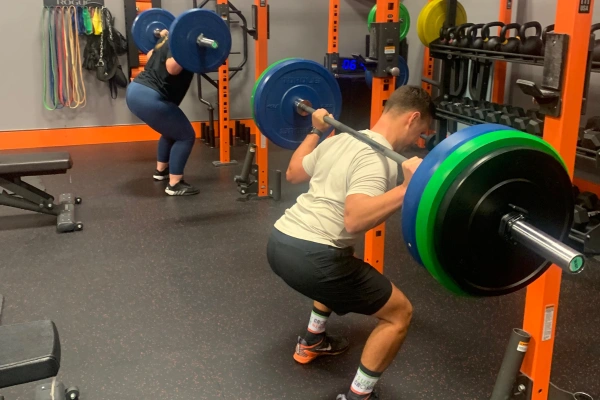
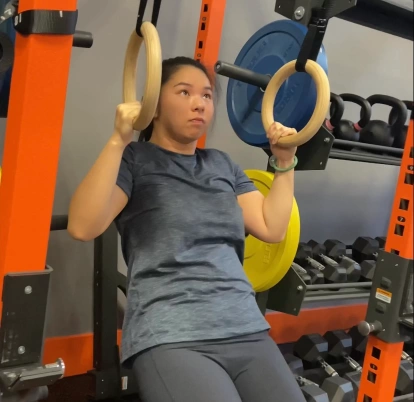
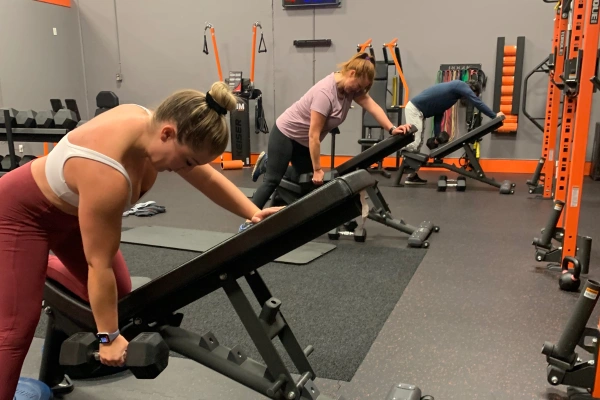
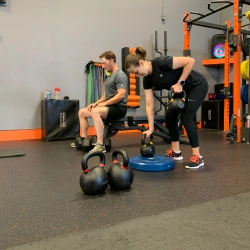
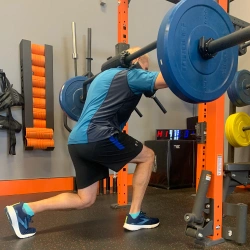
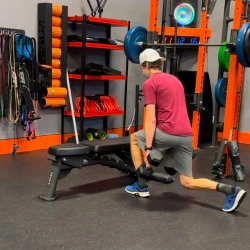
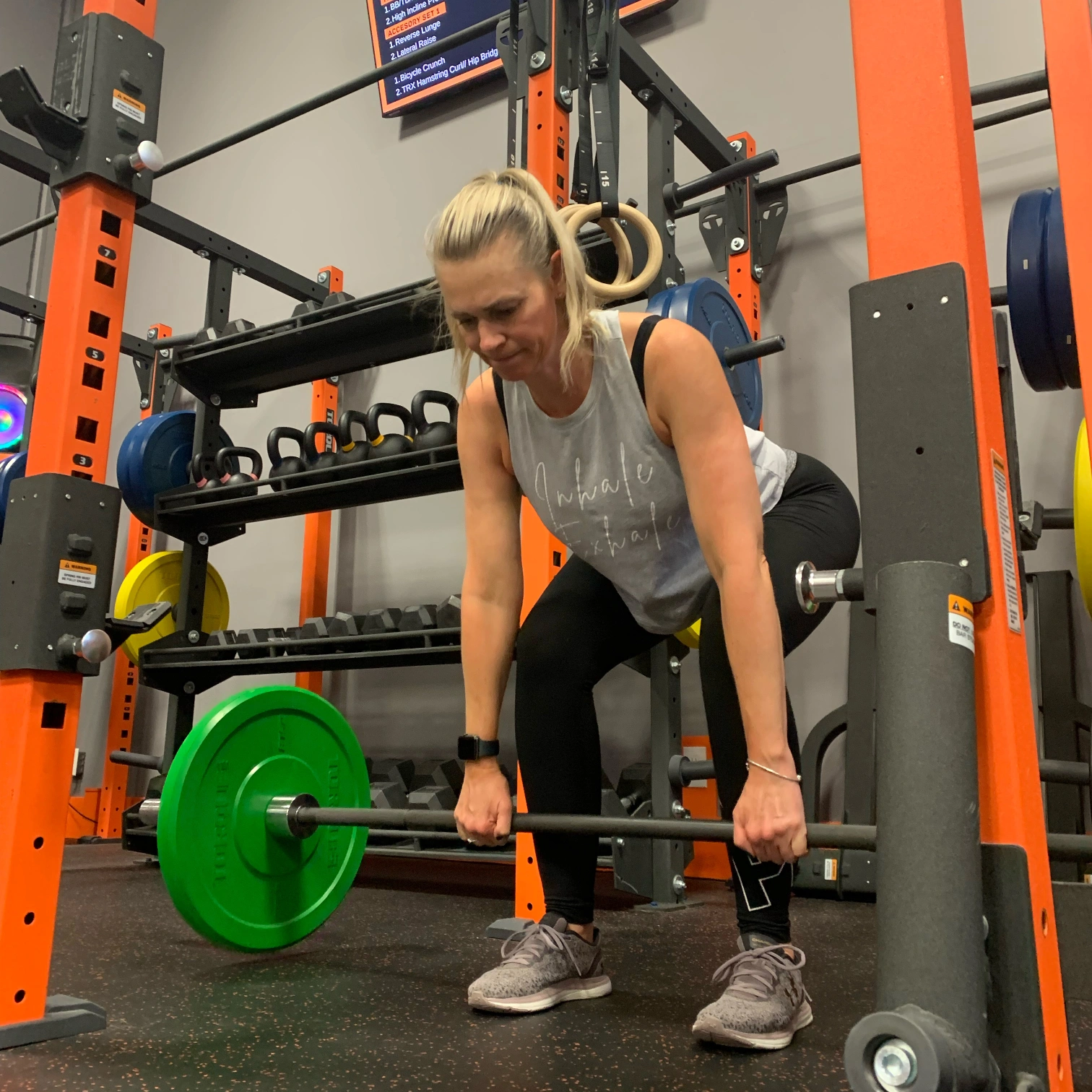
For our Small Group Training members, this research reinforces something we've believed for a long time, that there isn't one perfect rep range or loading scheme. Heavy weeks help us build strength and improve force production. Lighter weeks allow us to accumulate training volume with less overall stress on the joints while still creating meaningful adaptations in both muscle and connective tissue.
In other words, those higher-rep weeks aren't there because I ran out of ideas. They're there because they serve a purpose. This research is also highly relevant to our Active Rehab program. When people think about rehab, they often assume the goal is to get back to heavy lifting as quickly as possible. Sometimes that's appropriate. Often it isn't.
Many of the people we work with are recovering from motor vehicle accidents, chronic pain conditions, sports injuries, or surgical procedures. Even some of our athletes fall into this category. If someone can't tolerate heavy loading yet, that doesn't mean they can't make progress. This study simply suggests that lighter loads can still help improve both muscle and tendon health while allowing us to work within the person's current capacity.
That's a big deal because it means progress doesn't have to wait until someone is ready to load a barbell with enough weight to bend the floor. The findings are also particularly interesting for our hockey training and youth athletes. Parents are often surprised when they learn that we don't spend every session trying to see how much weight a young athlete can lift. Building resilient athletes is about much more than loading plates onto a bar.
Younger athletes are still developing physically. Lower-load training allows them to improve movement quality, coordination, muscle mass, and strength while limiting unnecessary stress on growing bodies. If we can help a young athlete build stronger muscles and healthier connective tissue while reducing their risk of injury, that's a pretty good trade-off. For our hockey athletes, strategic lower-load phases can also help manage fatigue during demanding training periods while continuing to drive adaptation. Sometimes the smartest training isn't the heaviest training.
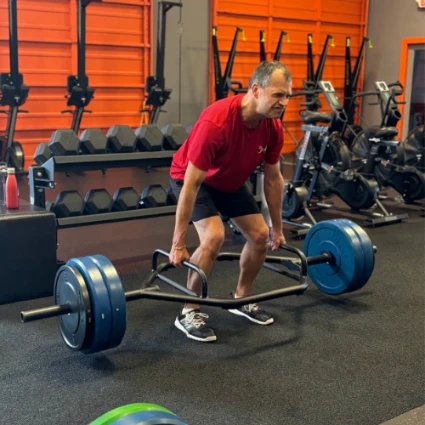
Now before everyone gets too excited and starts replacing squats with pink kettlebells, let's be clear that heavy lifting is still incredibly valuable. If your goal is to build maximal strength, improve power, and become more capable of producing force, heavy loads remain one of the best tools available.
The takeaway isn't that light weights are better than heavy weights. The takeaway is that your body responds to both. Heavy loads and lighter loads appear to create different muscle adaptations while producing similar changes in tendon morphology. That's one more reason why you'll continue to see both approaches in our programming.
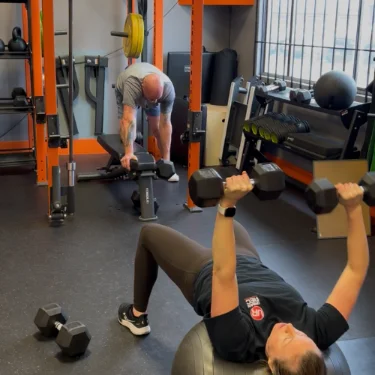
As with most things in fitness, the answer isn't found at one extreme or the other. The best results usually come from using the right tool at the right time. Sometimes that tool is a heavy barbell. Sometimes it's a set of dumbbells that looks far too easy until the last few reps remind you otherwise.
You've got the info, now it's time to take AIM!


.webp)







.webp)


.png)




.webp)