
If you've been training consistently for any length of time, chances are you've had something hurt. Maybe it's a sore knee, a cranky shoulder, a tight back, or an ankle that still remembers that hockey tournament from five years ago. The reality is that injuries, aches and pains are inevitable. They happen to beginners, recreational gym goers, and even the fittest professional athletes in the world. In fact half of my fantasy football team was on the IR this year at some point. The goal isn't to make it through life without ever getting injured, that's unrealistic. The goal is to learn how to keep making progress when those inevitable bumps in the road show up.
One of the biggest misconceptions I see in the gym is that pain automatically means you have to stop training altogether. A sore knee suddenly means, "I guess I can't train legs anymore." A shoulder gets irritated and every upper body exercise gets thrown out the window. Before you know it, weeks have gone by without training the very muscles you're trying to (or need to) improve. Then, when things finally settle down, you're not just recovering from an injury. You're rebuilding all the strength, muscle, and conditioning you lost while waiting.
One of my favourite ways to explain this is with the Guildford Mall analogy. Imagine you're standing at Walmart and your goal is to get to London Drugs at the other end of the mall. You could walk straight down the middle, you could take the stores along one side, or you could wander down the opposite side instead. You might even get distracted and end up browsing somewhere you had absolutely no intention of shopping. Regardless of the route you choose, if you keep moving, you still end up at London Drugs.
Training works exactly the same way. Our destination is to build stronger muscles, become more resilient, improve movement quality, and continue progressing toward our goals. The specific exercise we use is simply the route we take to get there. Too many people become attached to one exercise and forget that there are dozens of different ways to accomplish the exact same objective, or training stimulus.
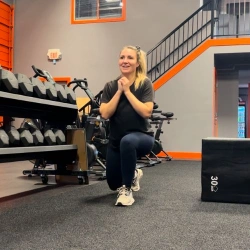
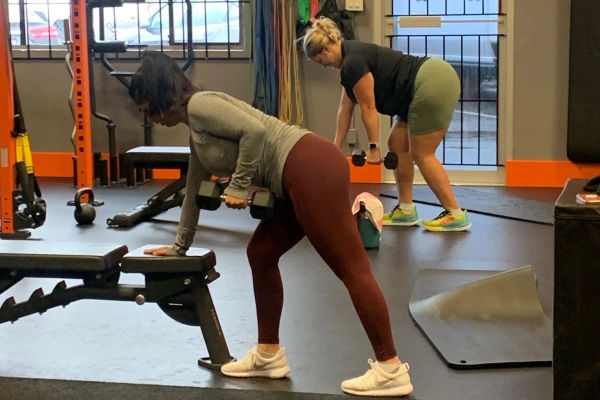
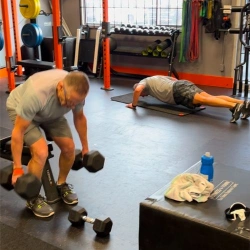
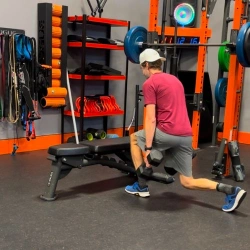
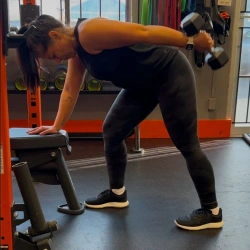
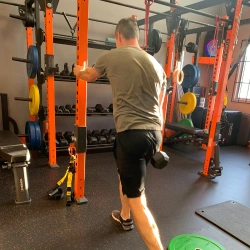
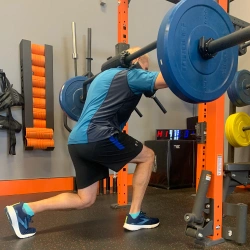
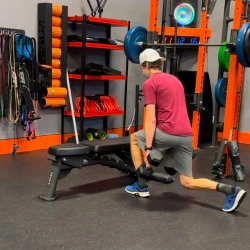
This is where understanding anatomy and biomechanics becomes incredibly valuable. Instead of asking, "What exercise can't I do?" at AIM Athletic we ask a much better question. "What are we actually trying to train?" If your knees are irritated but your goal is to strengthen your quadriceps, that doesn't automatically mean lunges are off the table forever or that leg day is cancelled. Maybe we switch from forward lunges to reverse lunges, which naturally reduce the braking forces through the front knee. Maybe we adjust your technique by keeping the shin more vertical and sitting the hips back a little further to shift more of the workload toward the hips. Maybe we use a split squat variation, a leg press, step ups, Spanish squats, or another exercise that still challenges the quads while being much more comfortable. The exercise changes, but the goal stays exactly the same.
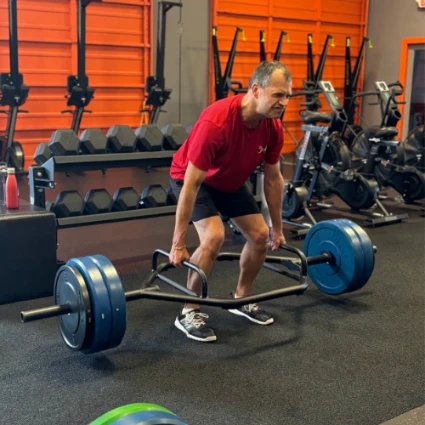
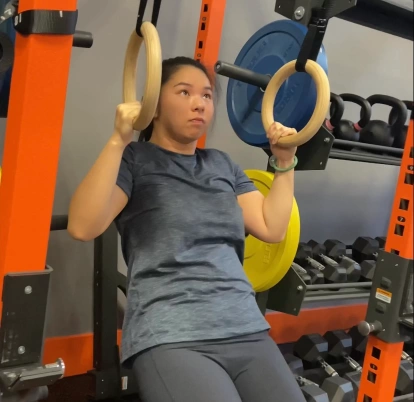
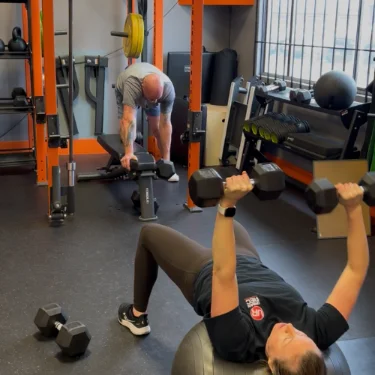
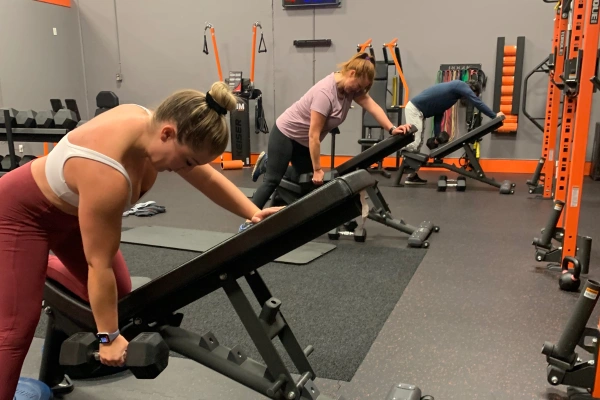
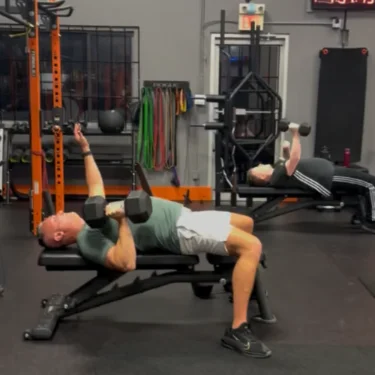
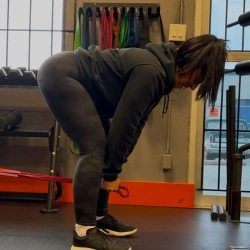
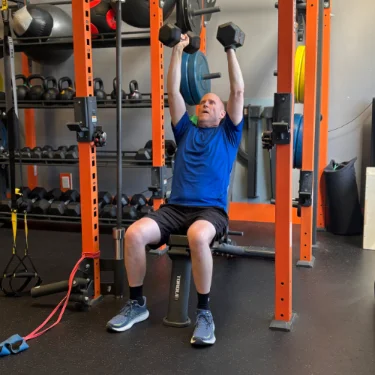
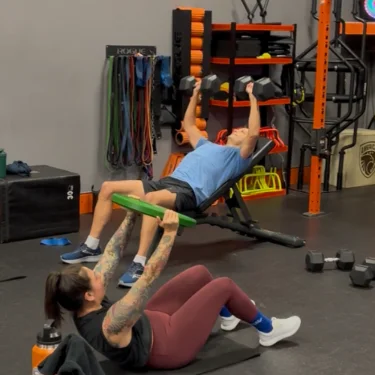
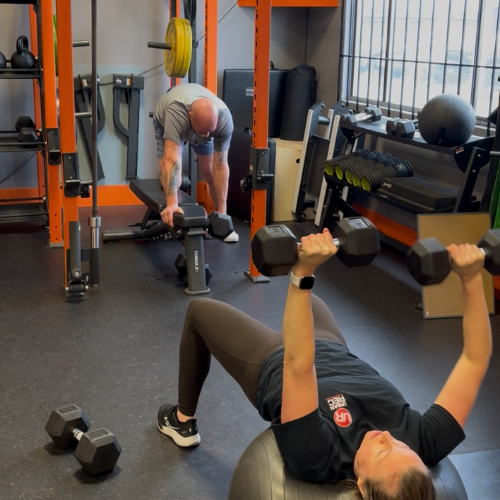
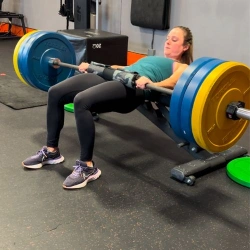
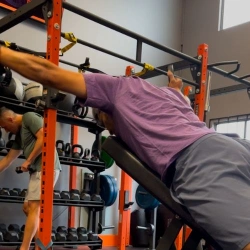
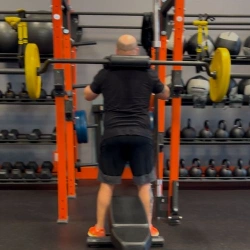
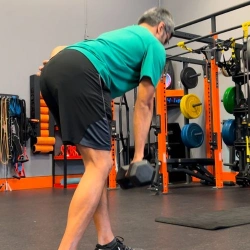
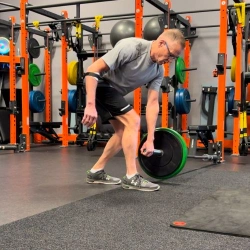
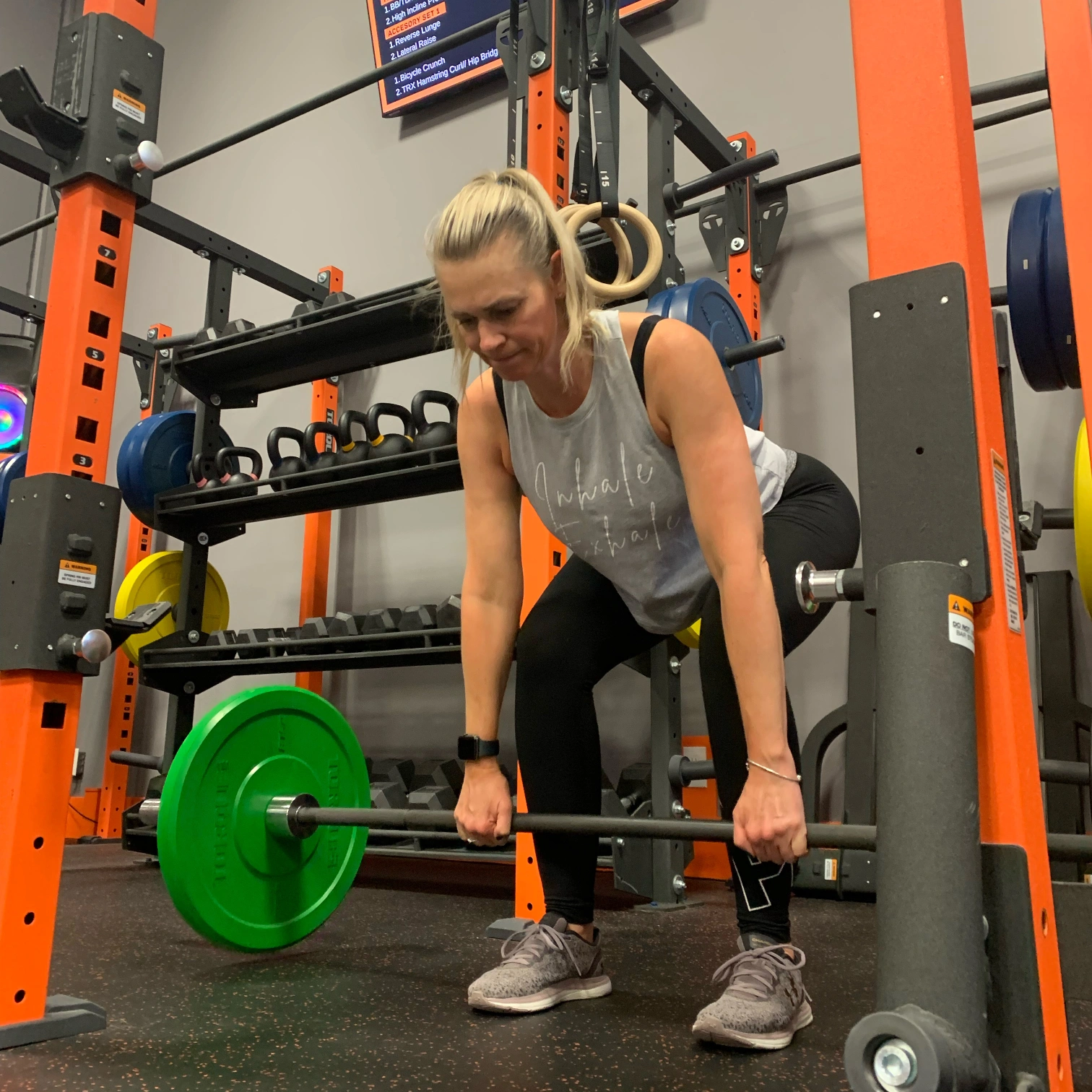
The same principle applies throughout the body. If overhead pressing aggravates your shoulder, maybe we switch to a high incline press or a neutral grip dumbbell variation. If heavy deadlifts are irritating your back, perhaps trap bar deadlifts, Romanian deadlifts, hip thrusts, or single leg hinging patterns allow you to continue building strength while reducing the stress on the painful area. Our muscles don't know whether they're holding a barbell, dumbbell, cable, or machine. They simply respond to tension and stretch. Good programming is about finding the best route to create that stimulus, not forcing one exercise because that's the way it's always been done.
Now, this doesn't mean we simply ignore pain and push through everything. Pain is information, and sometimes it tells us that something needs to change. There are certainly injuries where temporary rest or protecting a structure is appropriate. But for the majority of aches, overuse injuries, and everyday training pains, complete inactivity is rarely the answer. In fact, modifying movement while keeping people active is often one of the fastest ways to regain confidence and return to full training.
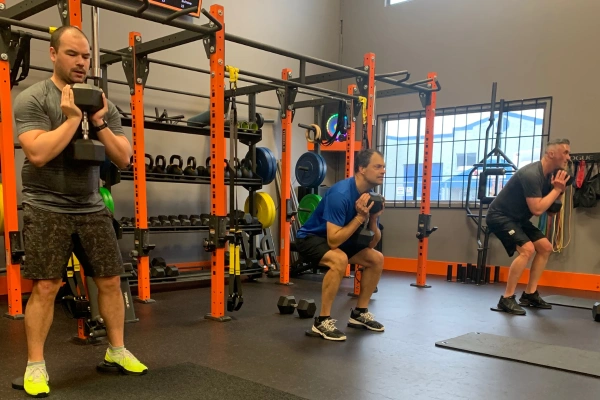
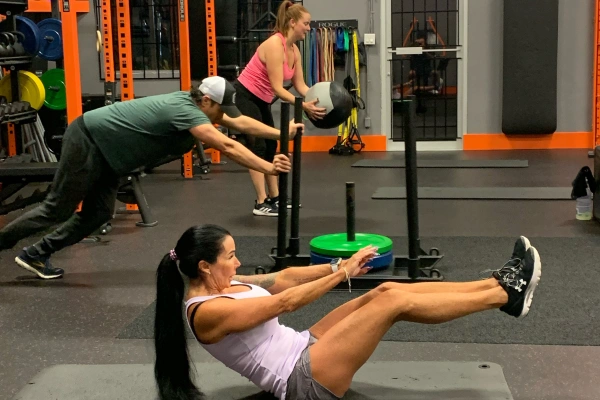
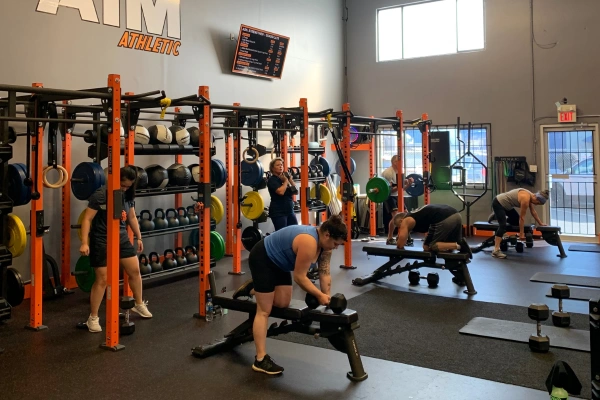
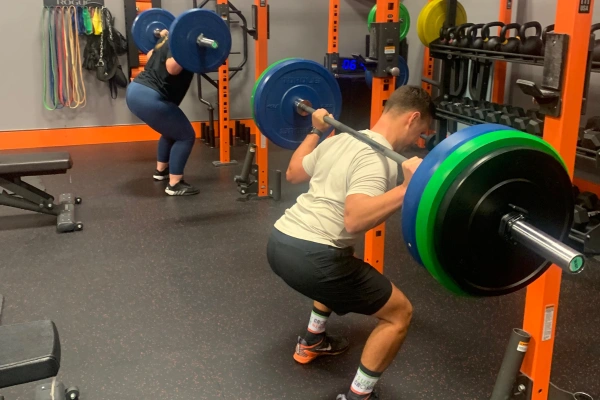
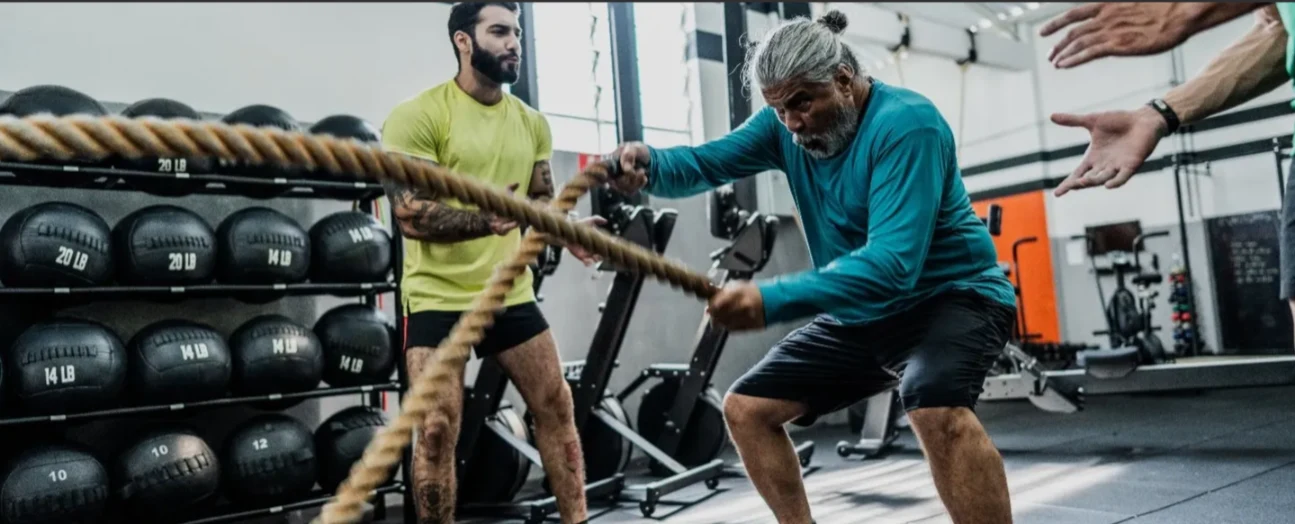
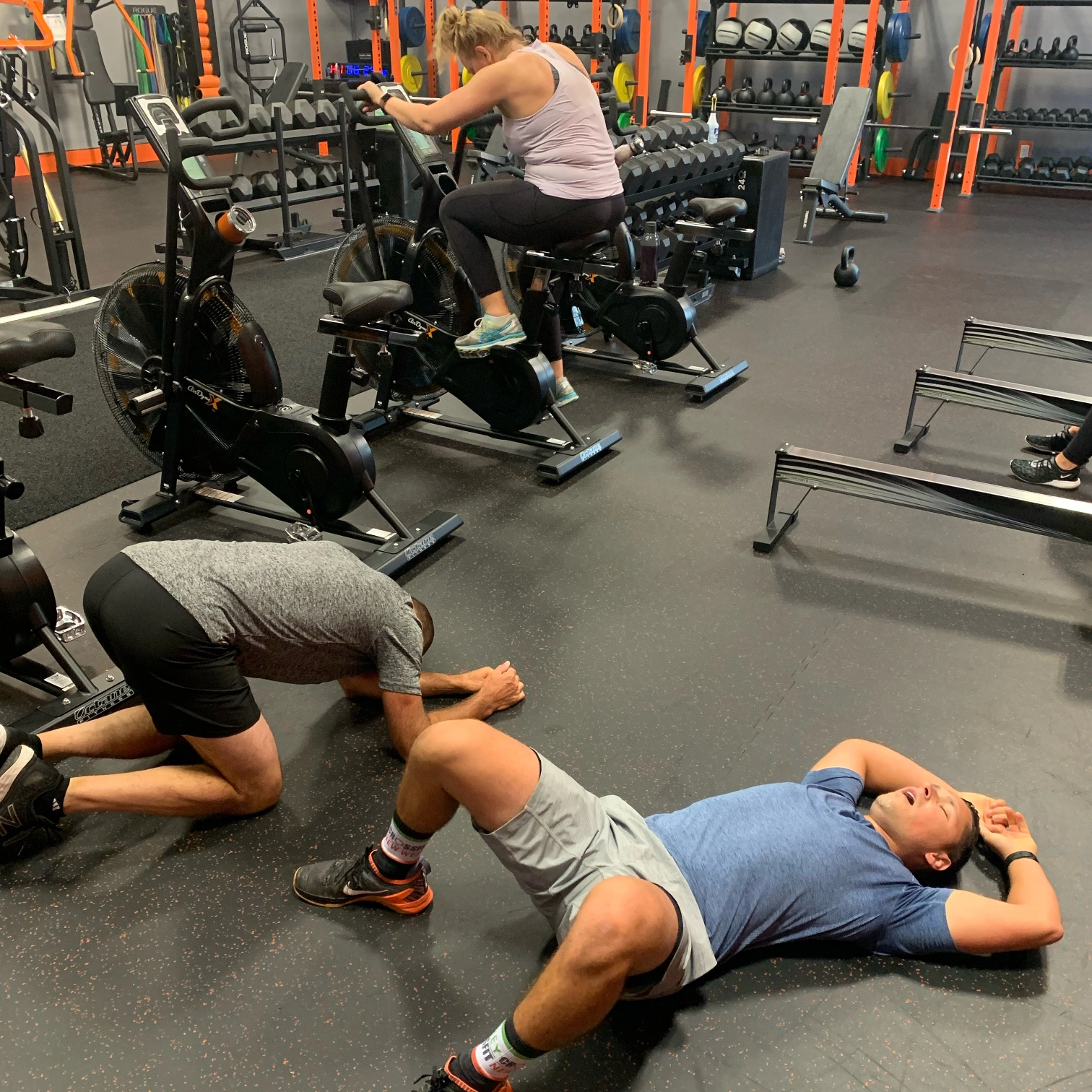
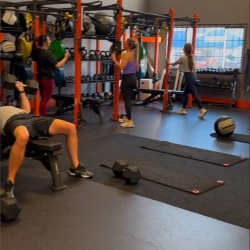
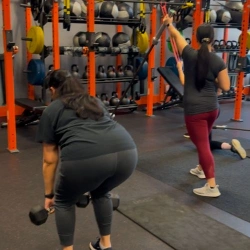
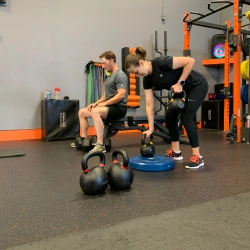
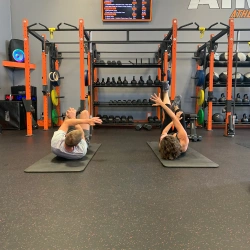
This philosophy is at the heart of everything we do at AIM Athletic. In our Small Group and Personal Training sessions, every member follows individualized programming to a certain degree, so if something isn't feeling great on a particular day, we simply adjust the route while everyone else continues training. In our Active Rehabilitation program, we spend a tremendous amount of time finding movements that people can perform instead of focusing on everything they can't. Our hockey training athletes don't stop developing because they tweaked a groin or rolled an ankle. We modify the training so they continue building strength, power, and athleticism while the injured area settles down. Even in our Youth Strength Training program, we teach young athletes that intelligent training isn't about being tough enough to ignore pain. It's about understanding your body, making smart adjustments, and staying consistent over months and years instead of trying to win a single workout.
At the end of the day, consistency will almost always beat perfection. If one route through Guildford Mall is blocked off, you don't stand there waiting for someone to move the obstacle. You simply take another path. Training should be no different. Just because one exercise isn't working today doesn't mean progress has to stop. There is almost always another way to reach the same destination, and sometimes that detour ends up being the better route all along.
You've got the info, now it's time to take AIM!

.webp)




.webp)

.png)




.webp)